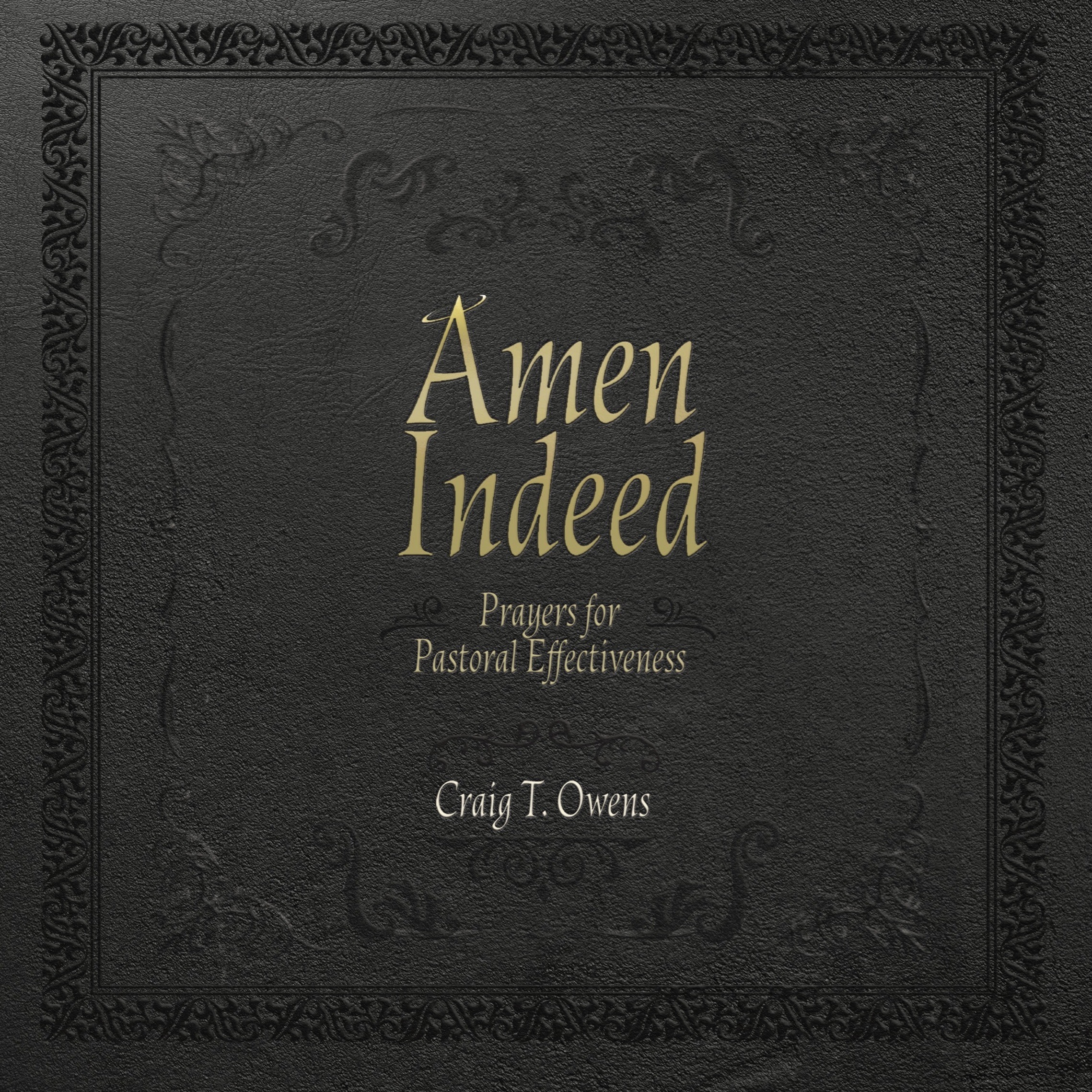
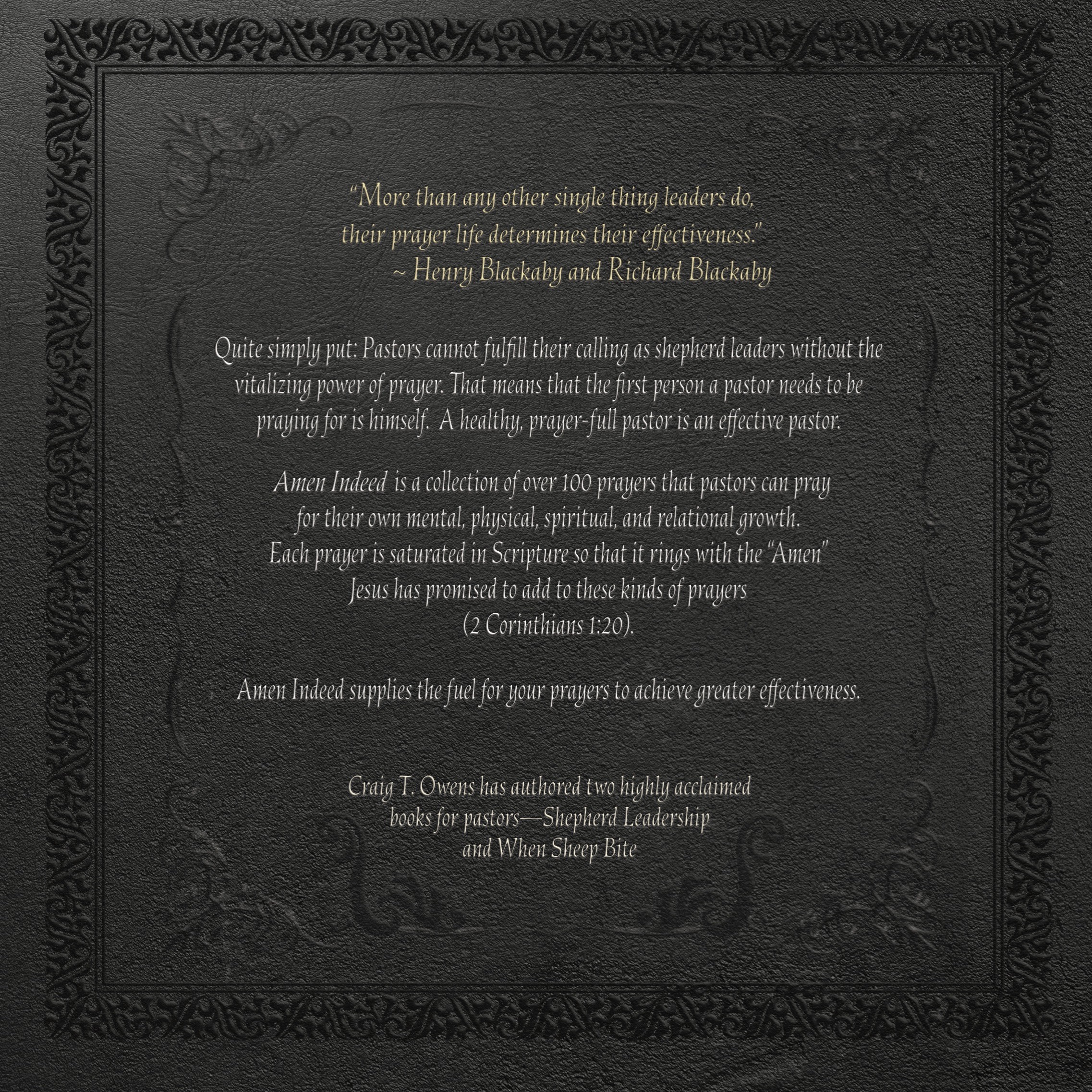
Pastors can only fulfill their calling as shepherd leaders with the vitalizing power of prayer, and must pray for themselves first. A healthy, prayer-full pastor is an effective pastor. My newest book is to help pastors in this vital discipline of prayer.
Amen Indeed fuels growth by providing more than 100 prayers for pastors to pray for their own mental, physical, spiritual, and relational growth. Each is sourced from Scripture and rings with the “Amen” that Jesus promised to add (2 Corinthians 1:20).
“There is one assured way for our prayers to be answered: It is to pray the will of God.
“There is one assured way to pray the will of God: It is to pray Scripture.
“As ministers of the Gospel we would be wise then to primarily pray Scripture, for ‘the word of our God stands forever’ (Isaiah 40:8).” —Dick Brogden, Founder of the Live Dead Movement
“When it comes to prayer, we need some help. And in Amen Indeed, help is at hand. Whatever is keeping us from prayer, Craig Owens can help us push through to a more consistent and more consistently joyful and fruitful life of prayer.” —T.M. Moore, Principal of The Fellowship of Ailbe
Listen to the podcast of this post by clicking on the player below, and you can also subscribe on Apple, Spotify, or Audible.
There is nothing in your spiritual armory that makes the devil afraid of you. But there is one thing that will always cause him to flee from you: When you bow to Jesus.
Listen to the podcast of this post by clicking on the player below, and you can also subscribe on Apple, Spotify, or Audible.
Paul salutes his friend Titus, “Grace, mercy, and peace from God the Father and the Lord Jesus Christ our Savior” (Titus 1:4).
I’m not sure why several English translations of the Bible leave the word mercy out of this verse, because the Greek clearly says charis, eleos, eirene. Especially when we consider that this was an intentional word Paul was inspired to pen to a specific person.
In every letter Paul writes to a church (plus in his personal letter to his friend Philemon), he greets the saints with “grace and peace” (Romans 1:7; 1 Corinthians 1:3; 2 Corinthians 1:2; Galatians 1:3; Ephesians 1:2; Philippians 1:2; Colossians 1:2; 1 Thessalonians 1:1; 2 Thessalonians 1:2; Philemon 3). This is also the greeting of Peter and John to the churches (1 Peter 1:2; 2 Peter 1:2; Revelation 1:4).
But in Paul’s three pastoral letters, he says, “Grace, mercy, and peace” (1 Timothy 1:2; 2 Timothy 1:2; Titus 1:4). Only John in the New Testament uses this salutation in a personal correspondence to another church leader (2 John 3).
From this, I think we would be wise to note that Paul feels his pastoral proteges need to keep mercy in the forefront of their minds. Not that pastors—and the “dear lady” in John’s second letter—don’t know that God has been merciful to them, but as a reminder of just how importantmercy truly is to both pastors and to the saints under their care.
Charles Spurgeon wrote that pastors need to be reminded of mercy “as if the higher the office, the greater the liability to sin.” I think one of the biggest temptations for leaders is to believe their elevated title means they are to be served by others, rather than to continually take the role of a servant serving others.
Pastoral leaders will also do well to recall that “all we like sheep have gone astray” (Isaiah 53:6; 1 Peter 2:25), and that “all” includes both pastors and saints. Pastors need to quickly recognize anytime they may be straying from their servant’s role, repent, and receive God’s mercy.
Shepherd leaders also need to guard against the frustration that can creep into their heart when they see the sheep in their flock going astray. Paul and John are reminding these pastors to keep in mind how merciful the Chief Shepherd has been to them, and how this should stir up their mercy toward the flock around them.
Shepherd leaders have a vital need to keep mercy always in mind.
I think a good prayer for pastors might be—
Holy Spirit, in my moments of frustration, remind me of the “grace, mercy, and peace from God the Father and the Lord Jesus Christ [my] Savior” which has been extended to me innumerable times. May that recollection awaken in me increased depths of mercy toward the flock around me, despite how frequently they may stray. In Jesus’ name. Amen!
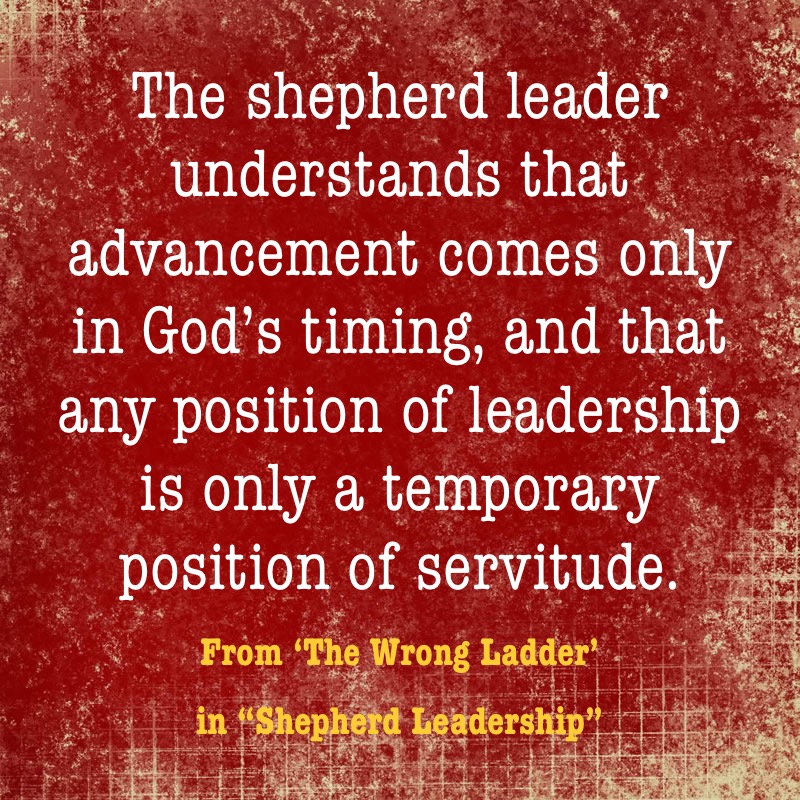
P.S. If you are interested in going deeper on the topic of pastors as leaders, please check out my book Shepherd Leadership.
Listen to the podcast of this post by clicking on the player below, and you can also subscribe on Apple, Spotify, or Audible.
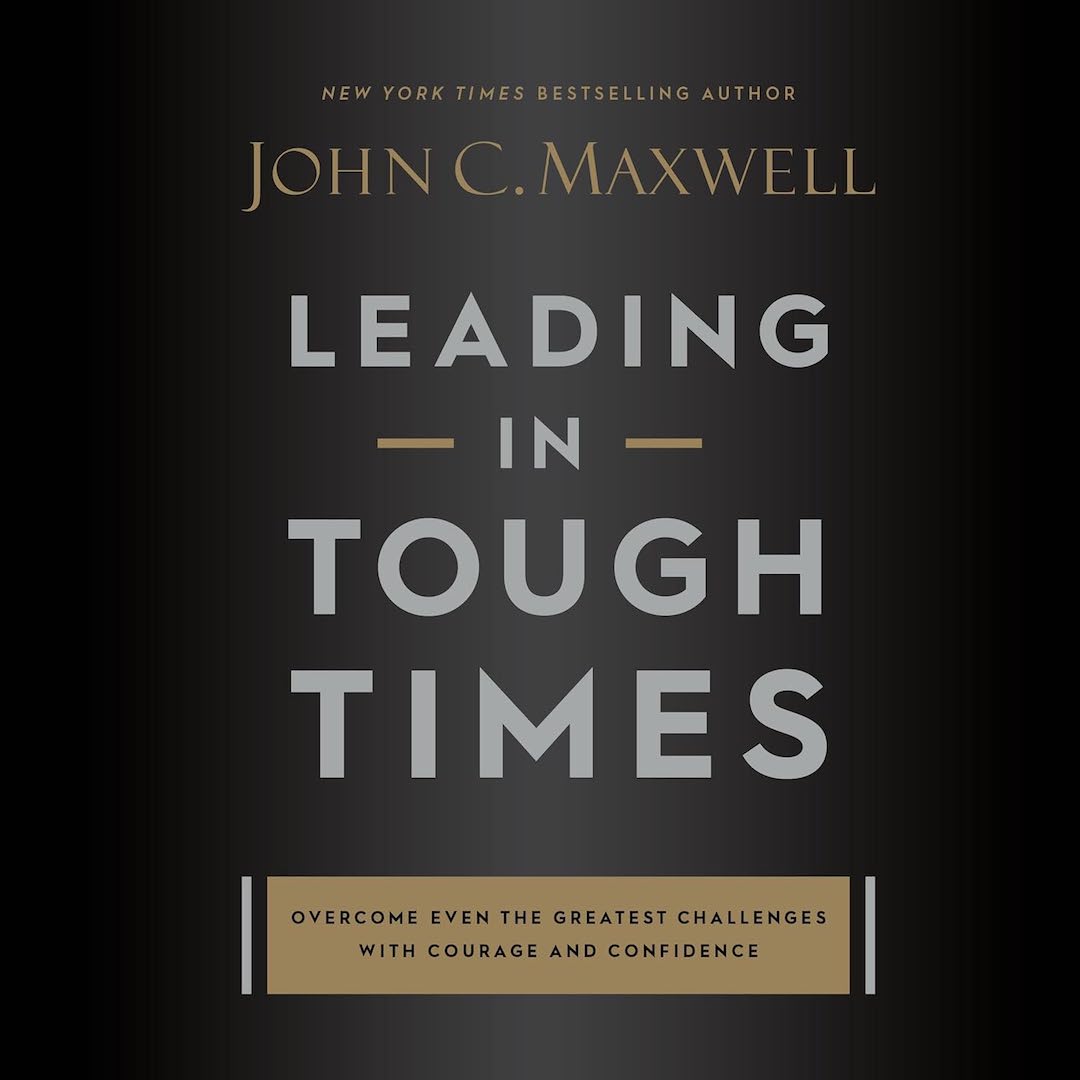
Some people have a misconception about leadership that John Maxwell dispels in the opening words of his book Leading in Tough Times. He writes, “Good leaders understand that adversity and challenges are actually opportunities to rise up in leadership.”
In fact, I would say that some of the best leaders have gone through some of the toughest of times, learning lessons that have set them apart as an exemplary leader.
If those statements inspired you, then Leading in Tough Times is the book for you! As he does in all of his books, John Maxwell culls the best advice from the best sources and distills it down into actionable steps for leaders who are ready to learn. In this book, Mr. Maxwell shares seven challenges that give leaders opportunities not just to go through difficulties, but to grow through difficulties.
If you are in a challenging season right now, this book could be a lifeline for you. If you aren’t in a difficult season right now, use this book as a training manual for both you and the emerging leaders around you to prepare for the next challenge. After all, the challenging times are inevitable, but our growth as leaders in these times is entirely up to us.
Listen to the podcast of this post by clicking on the player below, and you can also subscribe on Apple, Spotify, or Audible.
Last week we talked about biblical beliefs carrying more weight that non-biblical or extra-biblical beliefs. Christians must stand firm on God’s Word to give biblical meaning to everything we say and do, otherwise we lose the true meaning of essential terms like Church and Christian. That means there are words we need to let go, and there is the Word for which we must stand without wavering or backing down.
Have you heard people make the “They say” claim? “Well, they say you said…,” “They say that Christians are…,” or “They say that Jesus said or did…” It’s always a good idea to get to the source of these statements.
This is what Jesus did in Matthew 16:13-14. Jesus asked His followers about the “they say” claims they had heard, especially in light of what Jesus had already addressed in Matthew 11:18-19.
Matthew 16:15 is a great question to ask others: What do you think of Jesus? By asking this question and truly listening to the answer, you may just be able to uncover some non-biblical “they say” thinking that you can help correct.
But this verse is also a great question for us to ask of ourselves! Why? Because there is a huge difference between a verbal confession and a lifestyle confession. Look at vv. 16-23 to see the difference between Peter’s verbal confession in verse 16 and his lifestyle confession in verse 22.
John may have had this exchange in mind when he wrote 1 John 1:5-10. Notice John’s contrast between the verbal confession (“If we claim”) and our lifestyle confession. Listen: Demons can make a verbal confession (Luke 4:41) but they will be confined in Hell for eternity (Matthew 25:41). In the same way, religious people can make a verbal confession and walk out a completely opposite lifestyle confession (Matthew 7:21-23).
A lifestyle confession can either amplify or cancel a verbal confession.
Jesus loved Peter’s verbal confession, but then He gave us a lifestyle confession in Matthew 16:24-28.
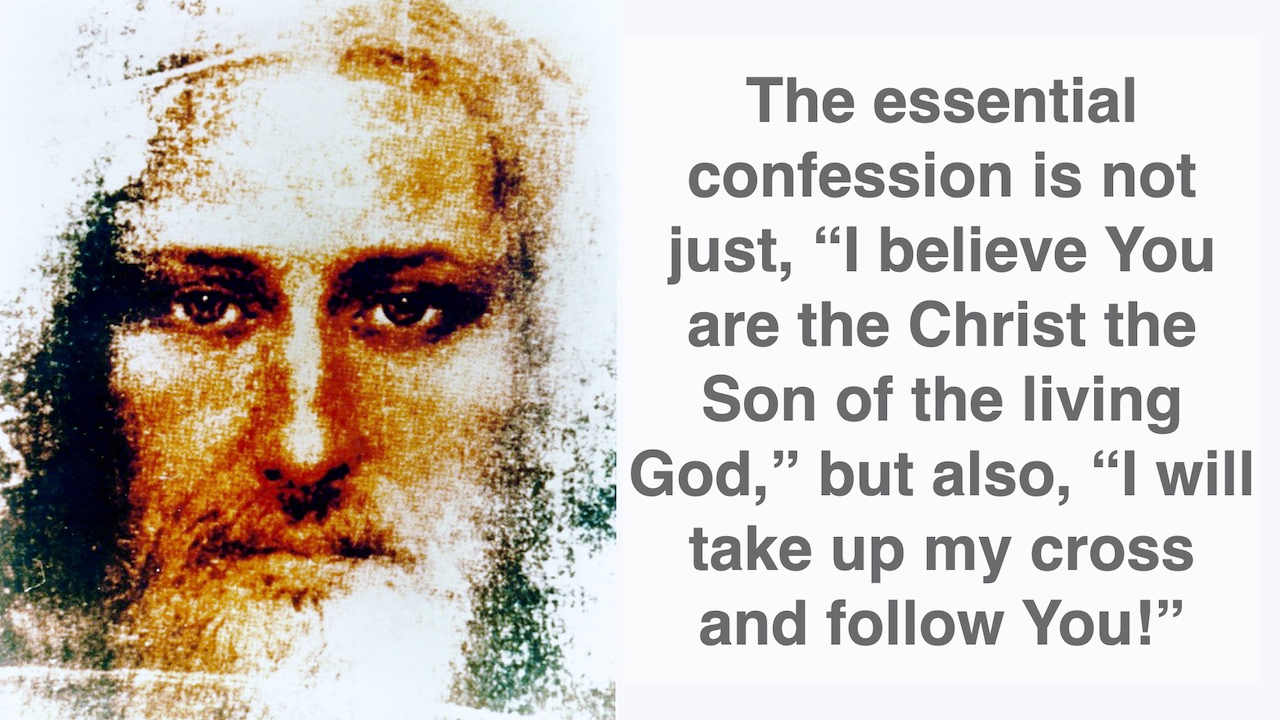
The essential confession is not just, “I believe You are the Christ the Son of the living God,” but also, “I will take up my cross and follow You!”
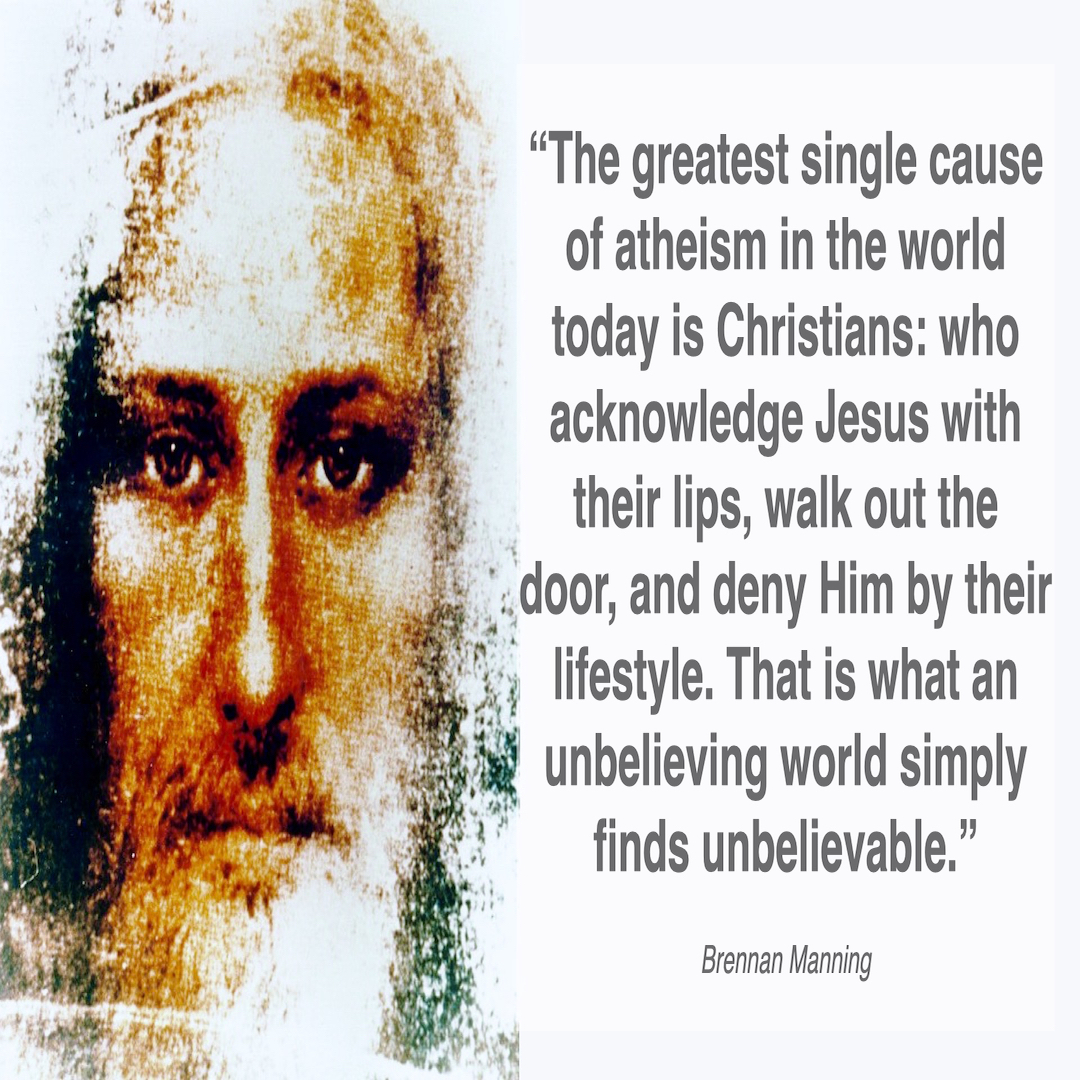
We lose our life when we live for Jesus’ words (“I will build My Church”) and not living for “they say” words. As Brennan Manning sad, “The greatest single cause of atheism in the world today is Christians: who acknowledge Jesus with their lips, walk out the door, and deny Him by their lifestyle. That is what an unbelieving world simply finds unbelievable.”
So let’s ask others, “What do you think of Jesus?” But let’s also ask ourselves that question. Let’s make sure that our verbal confession is being amplified by our lifestyle confession. Ask the Holy Spirit to search your vocabulary and your lifestyle. A great prayer for this is in Psalm 139:23-24.
If you’ve missed any of the messages in our series “I Will Build My Church”, you can find them all here.
Your gratitude blesses future generations. When you talk about the ways God has blessed you—and you are continually grateful for His provision—you are fortifying future generations as well.
“Wherever men are still theological, there is still some chance of their being logical.” —G.K. Chesterton
“We must not be too hot upon cold matters, but even this is better than to be cold upon matters that require heat.” —Charles Spurgeon
Clinton Manley says, “Although the teaching of Jesus in Matthew 5–7 is often called a sermon, these words are closer to Henry V on the battlefield than to a pastor in his pulpit.” Before you read the Beatitudes again, check out this background to this battlefield message from Jesus.
“The ping of a notification, the silent vibration in a pocket, the ambient awareness that something, somewhere, might require a response: these are not incidental features of modern life. They are now its architecture…. The mind never fully settles. It hovers in a state of anticipatory vigilance, perpetually primed for the next interruption.” —Carl Hendrick
Listen to the podcast of this post by clicking on the player below, and you can also subscribe on Apple, Spotify, or Audible.
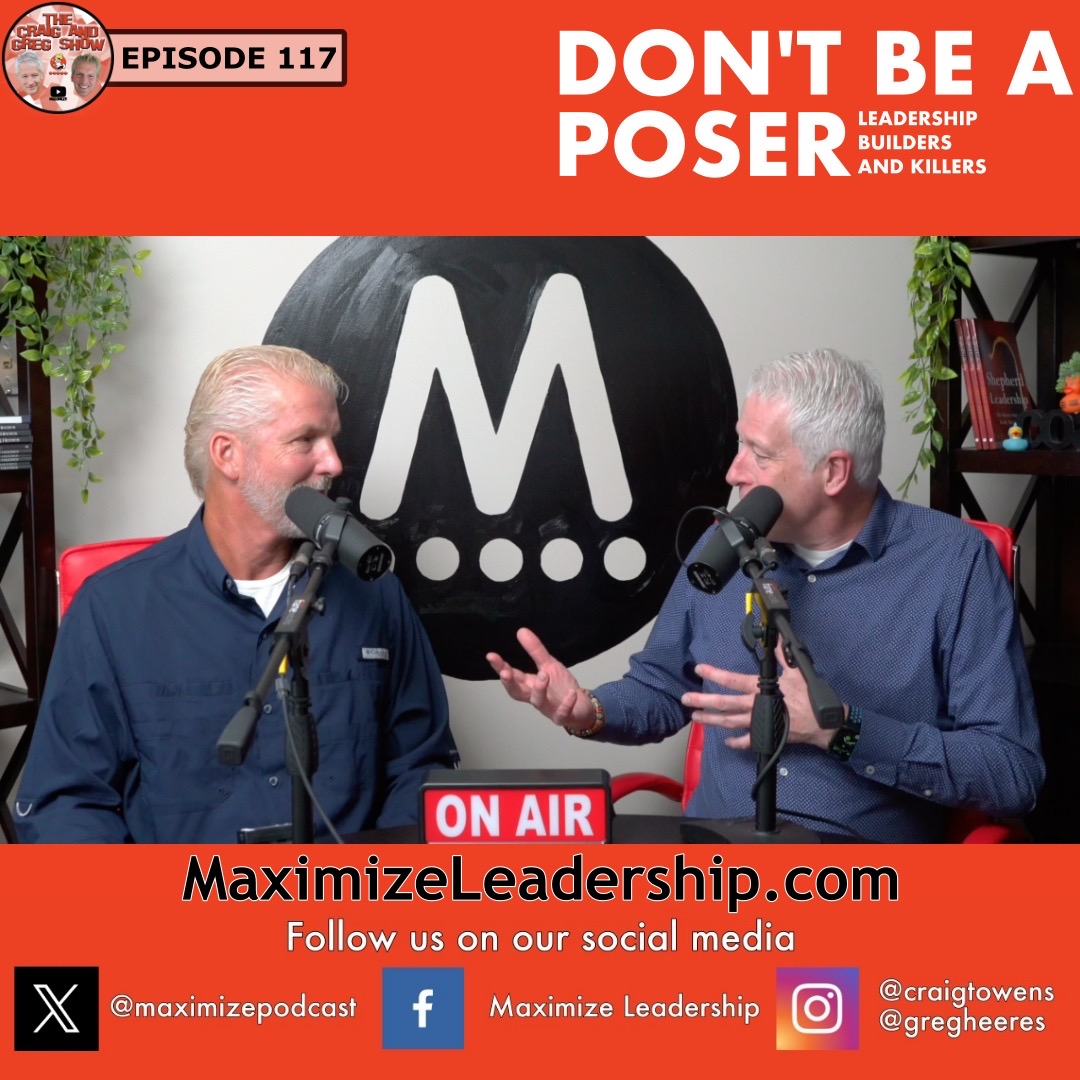
Everyone wants to fit in—it’s an entirely natural human instinct to desire the approval of those around you. However, when this instinct causes us to change who we are it can become very destructive to us both personally and professionally. In today’s episode Greg and I discuss how being a poser is a sneaky leadership killer that can creep in without you even noticing.
[0:00] Introduction
[1:38] Posing is a leadership killer that might not be obvious to a leader.
[2:52] Why would a leader think they have to pose in front of certain groups?
[5:38] Leaders need to be cautious of thinking, “I have to fit in. I have to be liked by this group.”
[7:31] Posing isn’t changing a style of communication.
[8:26] Being misunderstood is very difficult for everyone, but we cannot fall into the posing trap in order to try to be understood.
[10:30] Our teams need to know what to expect from us.
[11:48] How does posing limit leadership effectiveness? How does authenticity launch a team?
[15:15] Posing leaders force their teams to think inside-the-box.
[16:54] Authentic leaders want to hire authentic team members to promote an authentic culture.
[19:40] Leaders need to be confident to be authentic, and that authenticity is incredibly freeing!
[23:40] Coaches who listen and observe and can help you spot the hidden areas of posing. Check out the Maximize Leadership coaching services.
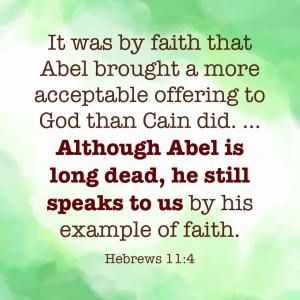
It was by faith that Abel brought a more acceptable offering to God than Cain did. Abel’s offering gave evidence that he was a righteous man, and God showed His approval of his gifts. Although Abel is long dead, he still speaks to us by his example of faith.(Hebrews 11:4 NLT)
I want to live my life so in step with God that people can say of me as the writer of Hebrews said of Abel: “Although Craig is long dead, he still speaks to us by his example of faith.”
Don’t you want that for your life too?
I believe God wants that to be said of your life. Are you ready?
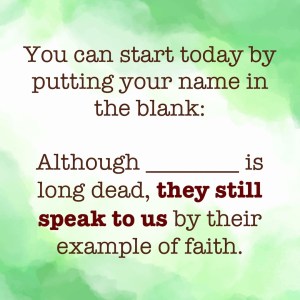
You can start today by putting your name in the blank: Although ________ is long dead, they still speak to us by their example of faith.
Listen to the podcast of this post by clicking on the player below, and you can also subscribe on Apple, Spotify, or Audible.
Charles Spurgeon said, “The resurrection of Christ is the cornerstone of the glorious temple of truth, the keystone of the arch of revelation.”
What we believe about the resurrection gives meaning and purpose to everything else. The resurrection is the defining Truth. In 2 Timothy 2:19 we read two important truths about this foundation: (1) God knows those who truly know Him, and (2) Those who really know Him must unabashedly stand for the Truth.
Words are powerful, they are creative. At the very beginning of Time, God said, “Light” and light existed (Genesis 1:1-3). God’s Word is still creating today (Hebrews 4:12). There are words we need to let go, and there is the Word for which we must stand without wavering or backing down.
In 1 Timothy 1:3-7, Paul essentially says we have two choices: Do we want to promote controversy or do we want to promote God’s work? We have to learn to distinguish what is biblical and what is not.
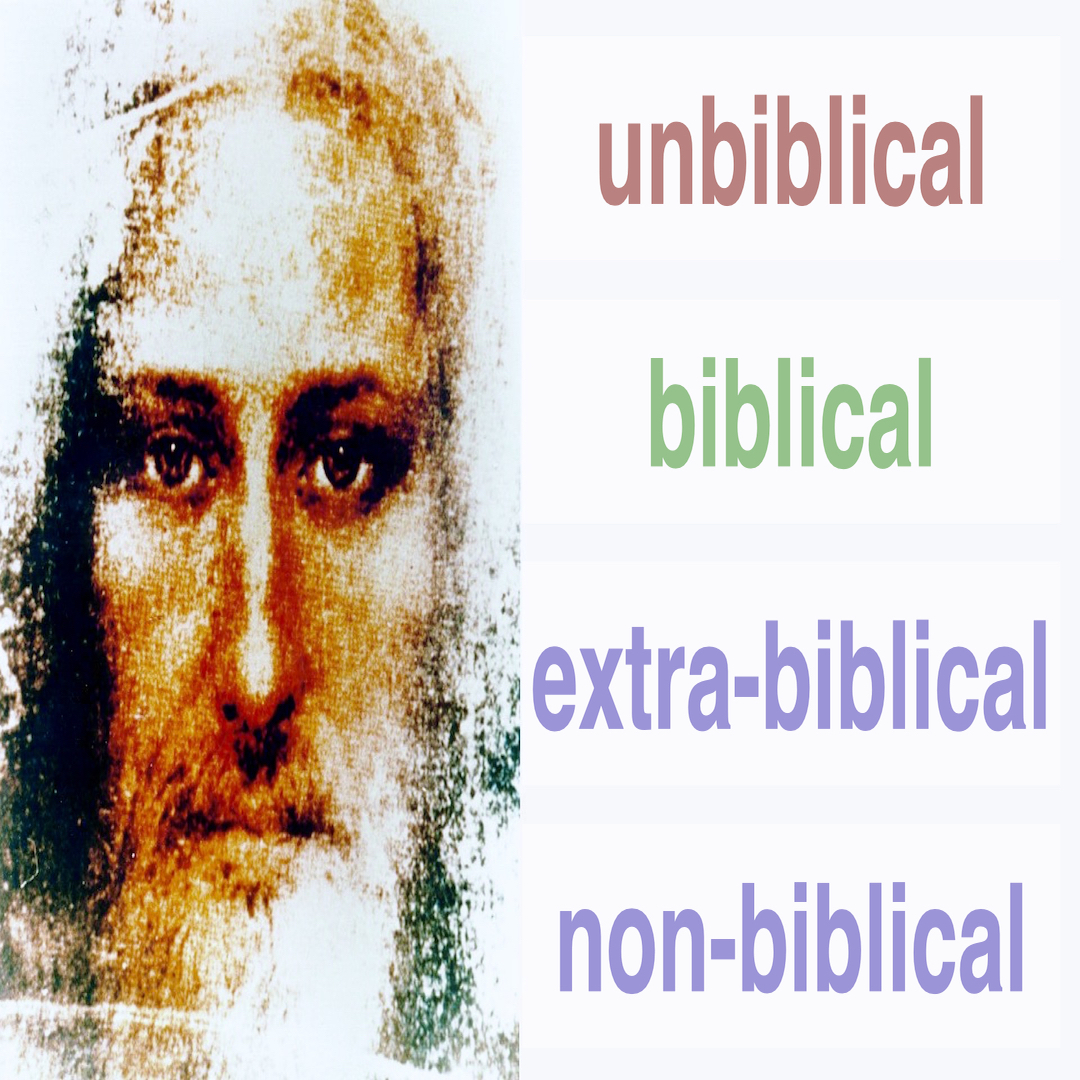
Biblical things—God’s Word clearly tells us “Yes” (2 Timothy 3:14-17)
Unbiblical things—God’s Word clearly tells us “No” (like: do not murder, do not commit adultery, etc.)
These two are fairly straightforward. As Dr. Donald Stamps wrote, “The Church has the responsibility to safeguard the true and original apostolic doctrines found in Scripture and commit it to others without compromise or corruption.”
What is harder to sort out is:
Extra-biblical things—something in addition to or outside of God’s Word
Non-biblical things—something not specifically addressed in God’s Word
Passages like 1 Timothy 4:1-7 and 2 Timothy 2:14-19 help us sort out biblical and non-biblical things.
Are extra-biblical things wrong? Not necessarily. Paul quoted poets, and even uses an extra-biblical example of Jannes and Jambres [who] opposed Moses (3:8).
Are non-biblical things wrong? Not necessarily. But both extra-biblical and non-biblical things can become wrong when we give these things biblical status (Mark 7:9).
“Church” and “Christian” can completely lose their biblical meaning if we allow unbiblical, extra-biblical, or non-biblical ideas to define them. We must stand firm on God’s Word to give biblical meaning to everything we say and do.
Jesus said, “I will build MY Church.” He’s going to build it His way, not our way. We don’t want to fight the Architect, but neither do we want to fight the erring saint or the scoffing skeptic (2 Timothy 2:22-26).
Let me give you four applications for this:
Do get into God’s Word everyday.
Don’t define the words but let God define His own words.
Do gently challenge those saints who are getting caught up in non-biblical or extra-biblical things.
Don’t quarrel with those who are living an unbiblical lifestyle (Colossians 4:5; Jude 1:22).
You can find all of the other messages in this series called “I will build My Church” by clicking here.
You may also be interested in these posts and videos:
Is it possible for you to accurately judge whether or not you are being honest with yourself? Probably not. You need something or someone else to help you see yourself clearly.
“The Christian optimism is based on the fact that we do not fit in to the world. … That is what makes life at once so splendid and so strange. We are in the wrong world. When I thought that was the right town, it bored me; when I knew it was wrong, I was happy. So the false optimism, the modern happiness, tires us because it tells us we fit into this world. The true happiness is that we don’t fit. We come from somewhere else.” —G.K. Chesterton
“It is easy enough to remove the particular kinds of graft or bullying that go on under the present system: but as long as men are twisters or bullies they will find some new way of carrying on the old game under the new system. You cannot make men good by law: and without good men you cannot have a good society.” —C.S. Lewis
Del Tarr’s life “embodied a simple conviction: to preach Christ well, one must first listen and learn well.” Tarr was a missionary and a linguist. His legacy is empowering for all Christians, not just those missionaries who minister in other countries.
The ICR reports, “According to the online Smithsonian magazine, ‘The calls and songs of some species in these groups [parrots, songbirds, and hummingbirds] appear to have even more in common with human language, such as conveying information intentionally and using simple forms of some of the elements of human language such as phonology, semantics and syntax.’” There are numerous corroborating studies that tell of the complex language of birds that never could have developed by chance, but were designed by an all-wise Creator.
“In Biblical times, farmers would put olives in the trough of a stone olive press, and then roll the large, heavy circular stone over them. The enormous weight of the stone crushed the olives, allowing the oil inside to pour out through a spout cut into the stone. The first pass of the heavy stone produced the most precious, pure drops of olive oil. This oil was extremely expensive and was used to anoint kings. In Hebrew, this sort of olive press is called a ‘gat shemanim’ (גתשמנים pronounced ‘geth-sem-uh-nim’), which we translate in English as ‘gethsemane.’ Sound familiar?” —Dave Adamson [see Mark 14:32-36]
“To overcome the world takes faith and faith comes when we hear the Word quickened by the Holy Spirit. Be faithful in prayer and reading your Bible. It sounds like a Sunday school answer, but it is quite literally the application for every verse in the Bible.” —YouVersion reading plan Uncommen: Holy Connection
Listen to the podcast of this post by clicking on the player below, and you can also subscribe on Apple, Spotify, or Audible.
Consistent leaders are exemplary leaders, but consistency doesn’t happen automatically. Effective leadership of others starts with effective leadership of yourself.



 Pastors can only fulfill their calling as shepherd leaders with the vitalizing power of prayer, and must pray for themselves first. A healthy, prayer-full pastor is an effective pastor. My newest book is to help pastors in this vital discipline of prayer.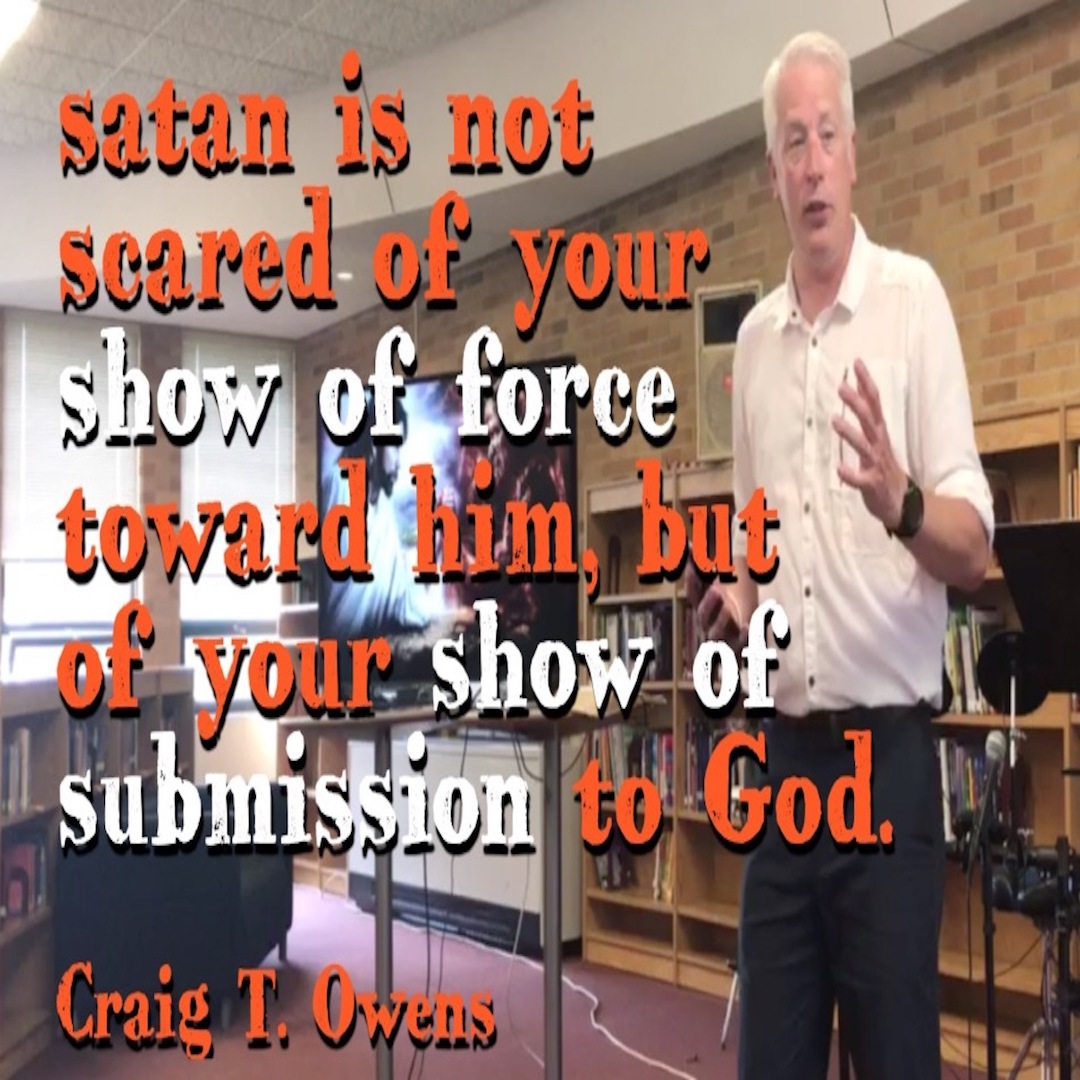






 Craig T. Owens